REASON FOR LOSS
“THUNDERHEAD”
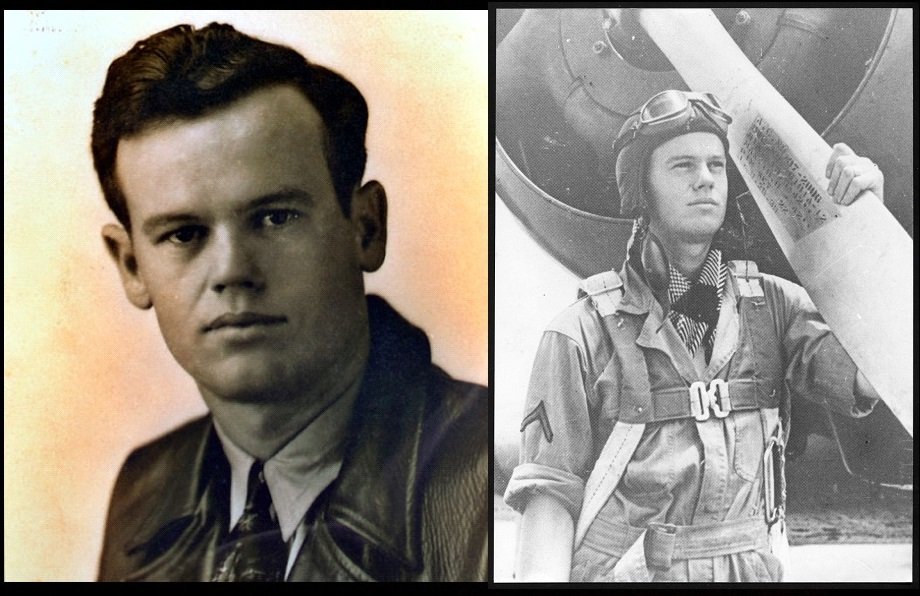
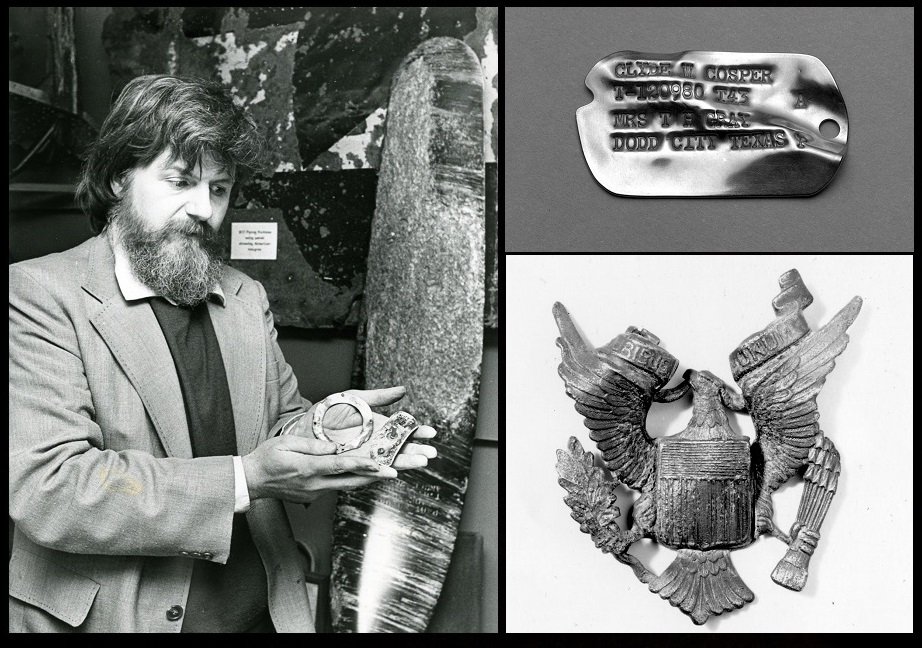
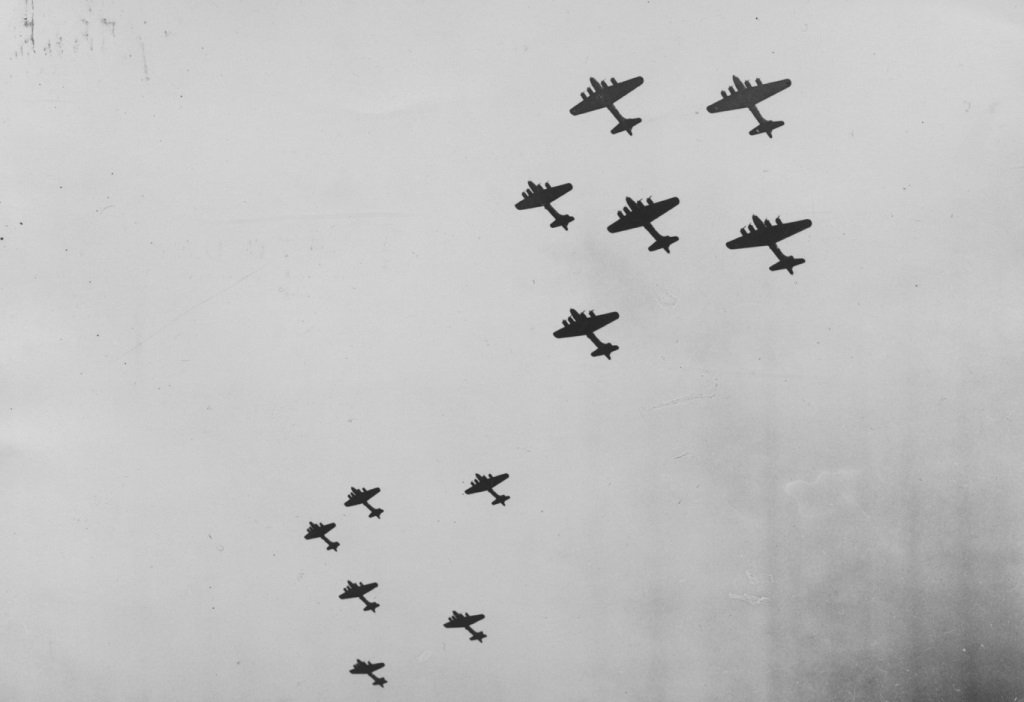
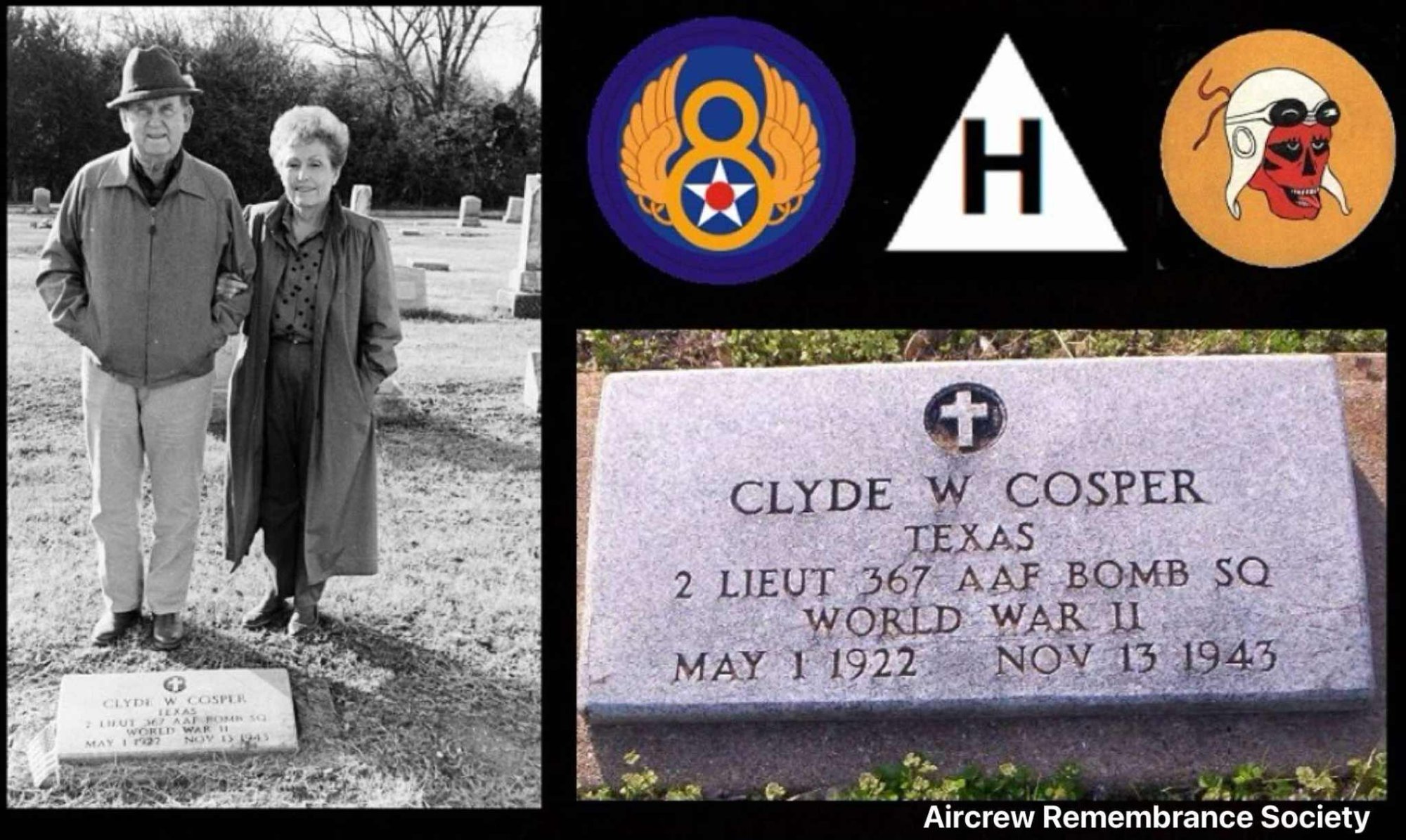
On the morning of November 13th 1943 a mission to Bremen was attempted by the first Bombardment Group which ended in disaster. During assembly heavy turbulence and icing was encountered. As a result four aircraft were lost and thirty crew members lost their lives this day, the mission was abandoned and aircraft recalled before assembly was completed. B-17 42-31038, from the 306th Bomb Group, 367th Bomb Squadron, piloted by 2nd Lt. Clyde Cosper, flew through a thunderhead, then went into a spin and lost several thousand feet of altitude in a few seconds. Lt. Cosper recovered from the spin and was able to level the plane long enough to flick on his intercom switch and order his crew to bale out, which they all did so safely.
The following reads from the 367th Squadron war diary, authored by Lt. Edward T Murtha:
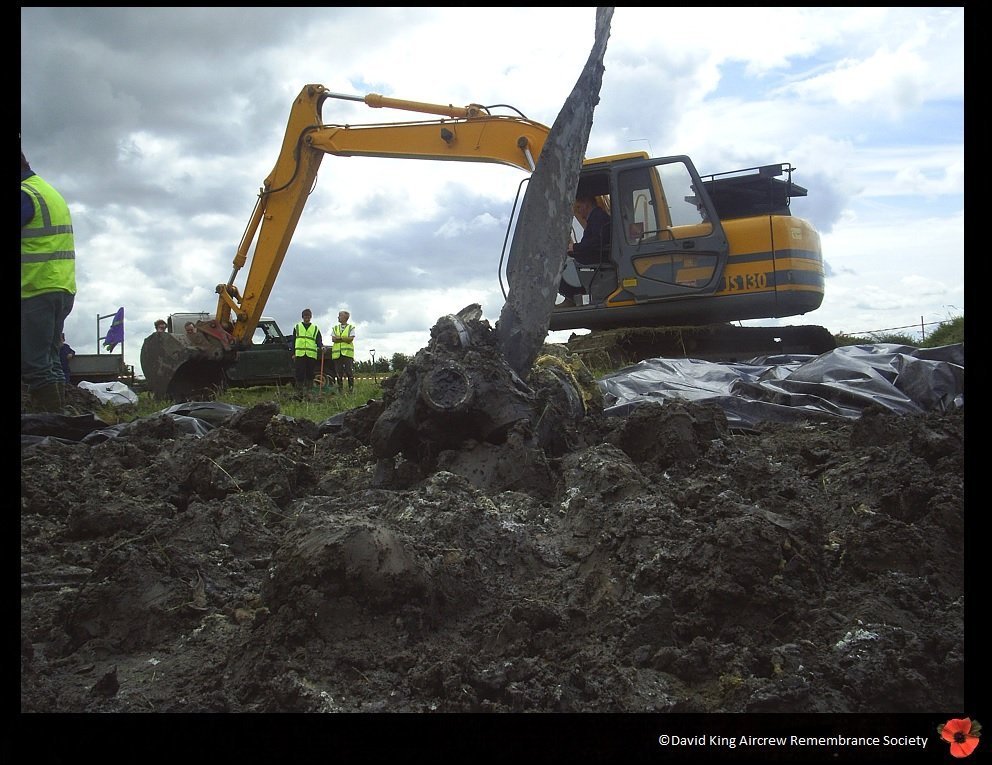
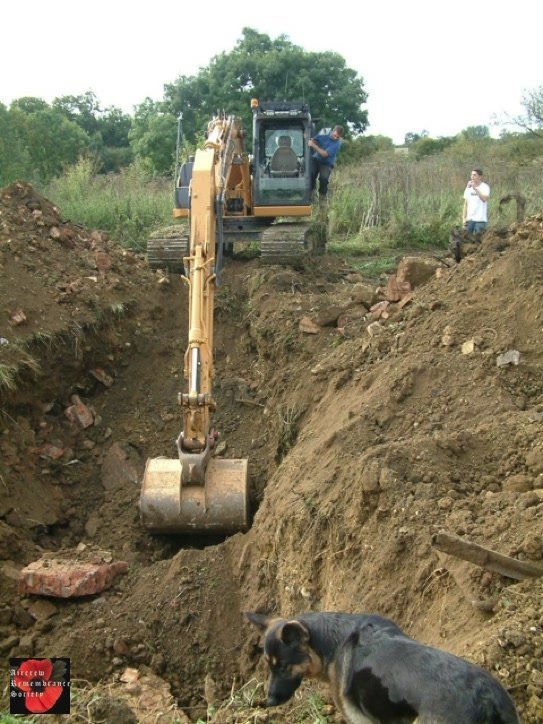
“In a heroic effort to keep the plane, (which was still carrying a full bomb load) from crashing in an English village, Cosper chose a clearing near the town on Princes Risborough and crash landed his almost uncontrollable plane in an open field. The aircraft immediately caught fire and exploded within a few seconds, instantly killing Lt. Cosper. Through his valiant efforts he saved the lives of his crew and without doubt the lives and property of many British civilians” Lt. Clyde W. Cosper was posthumously awarded the Silver Star for his Heroism.
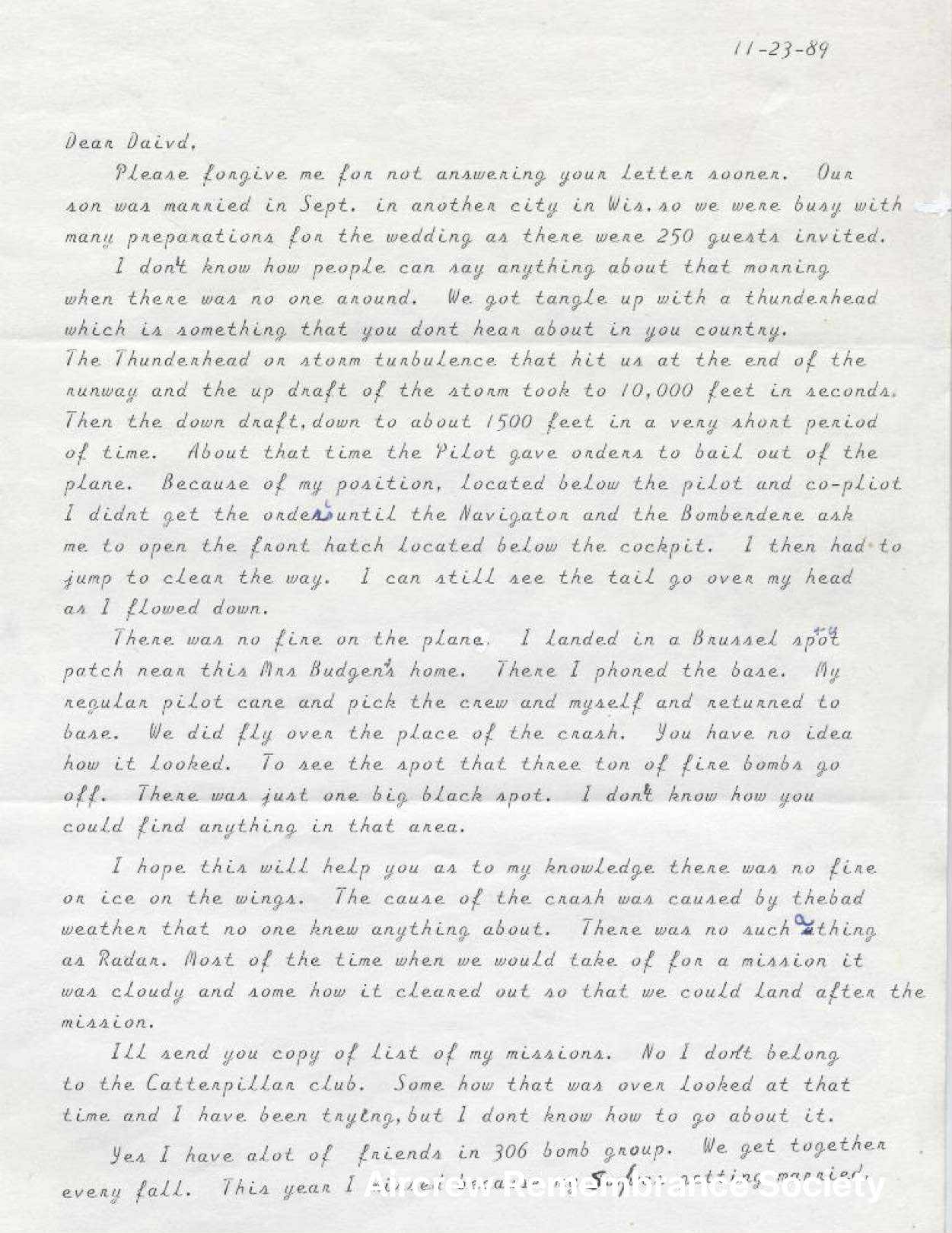
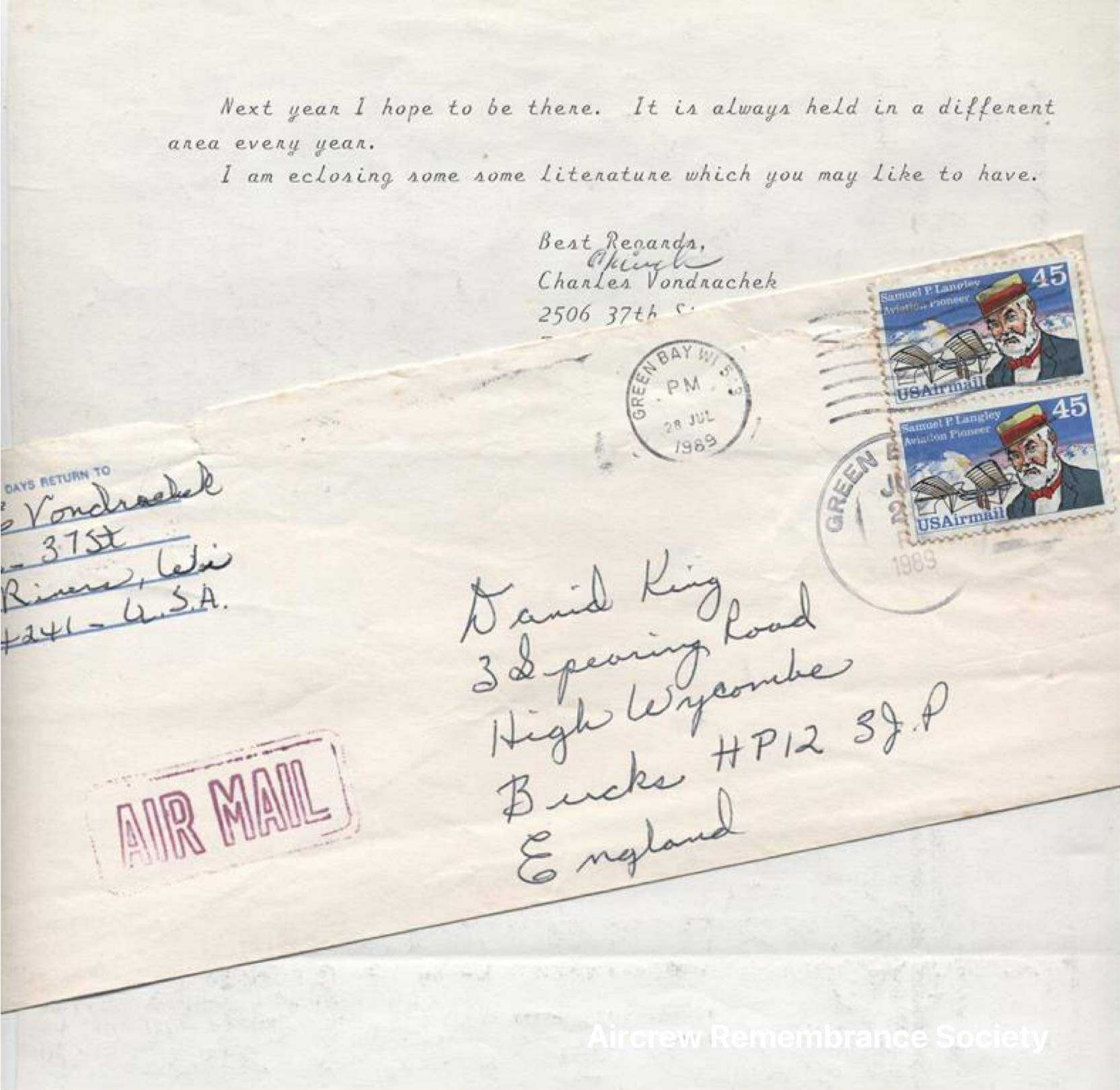
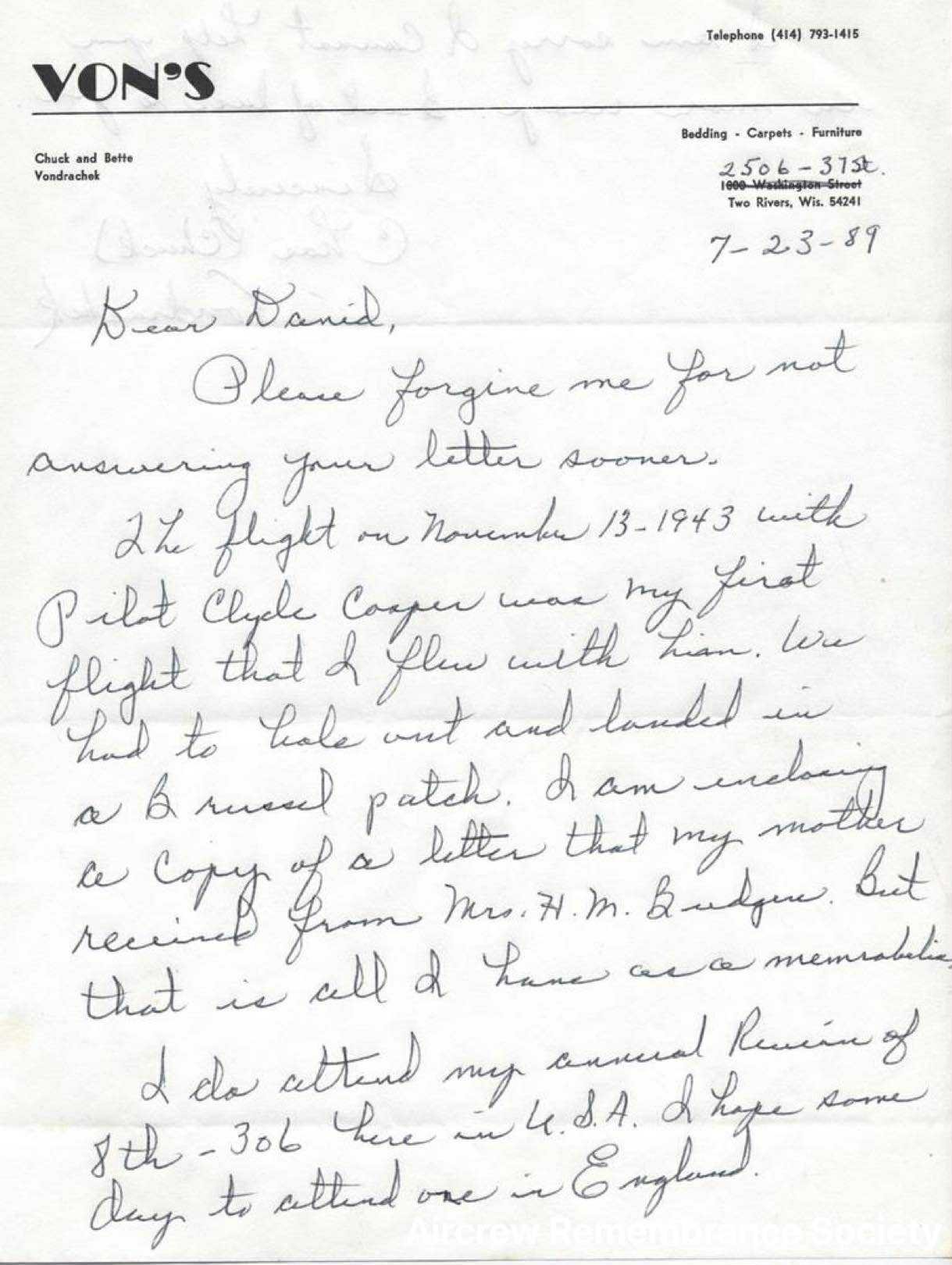
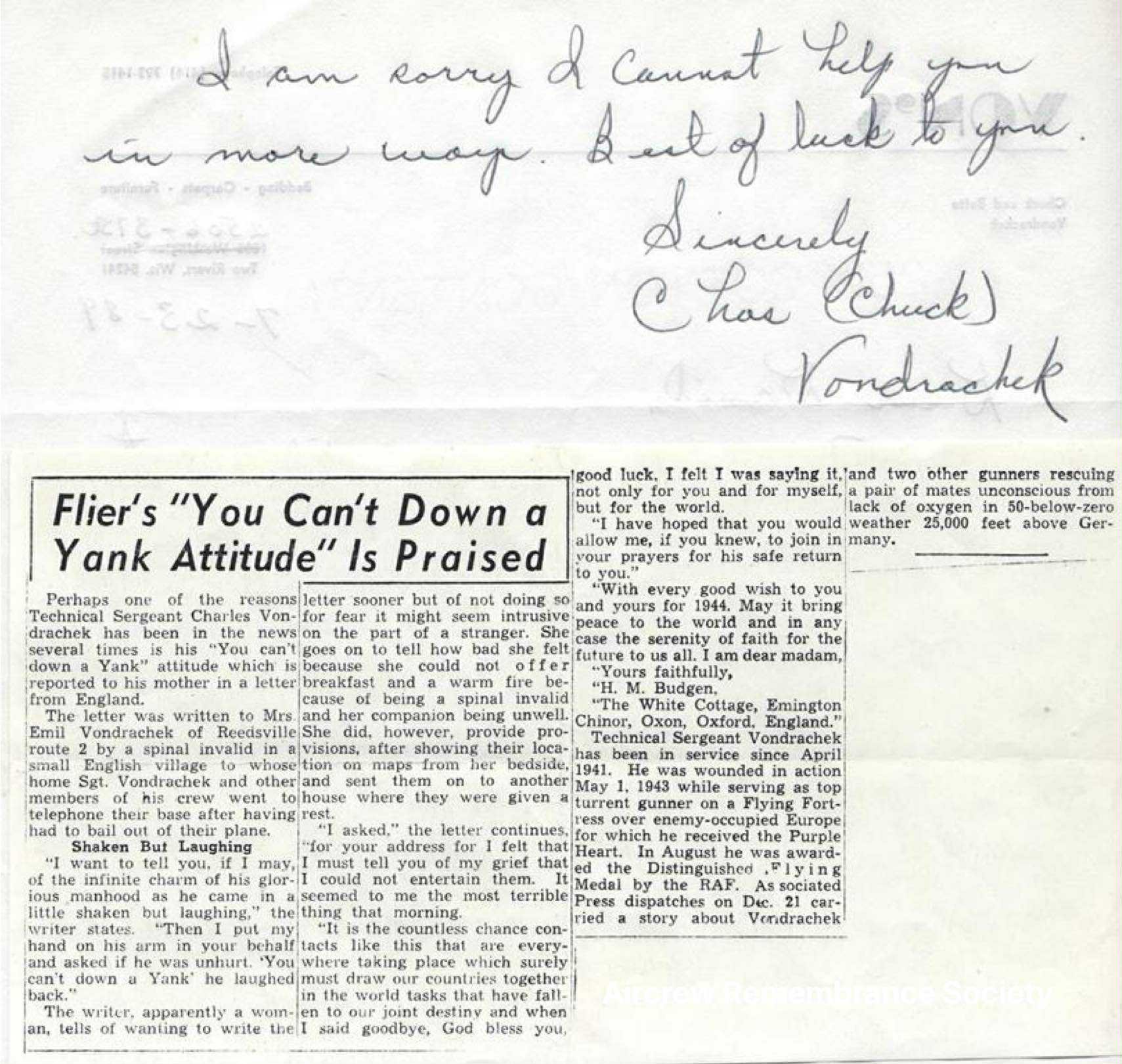
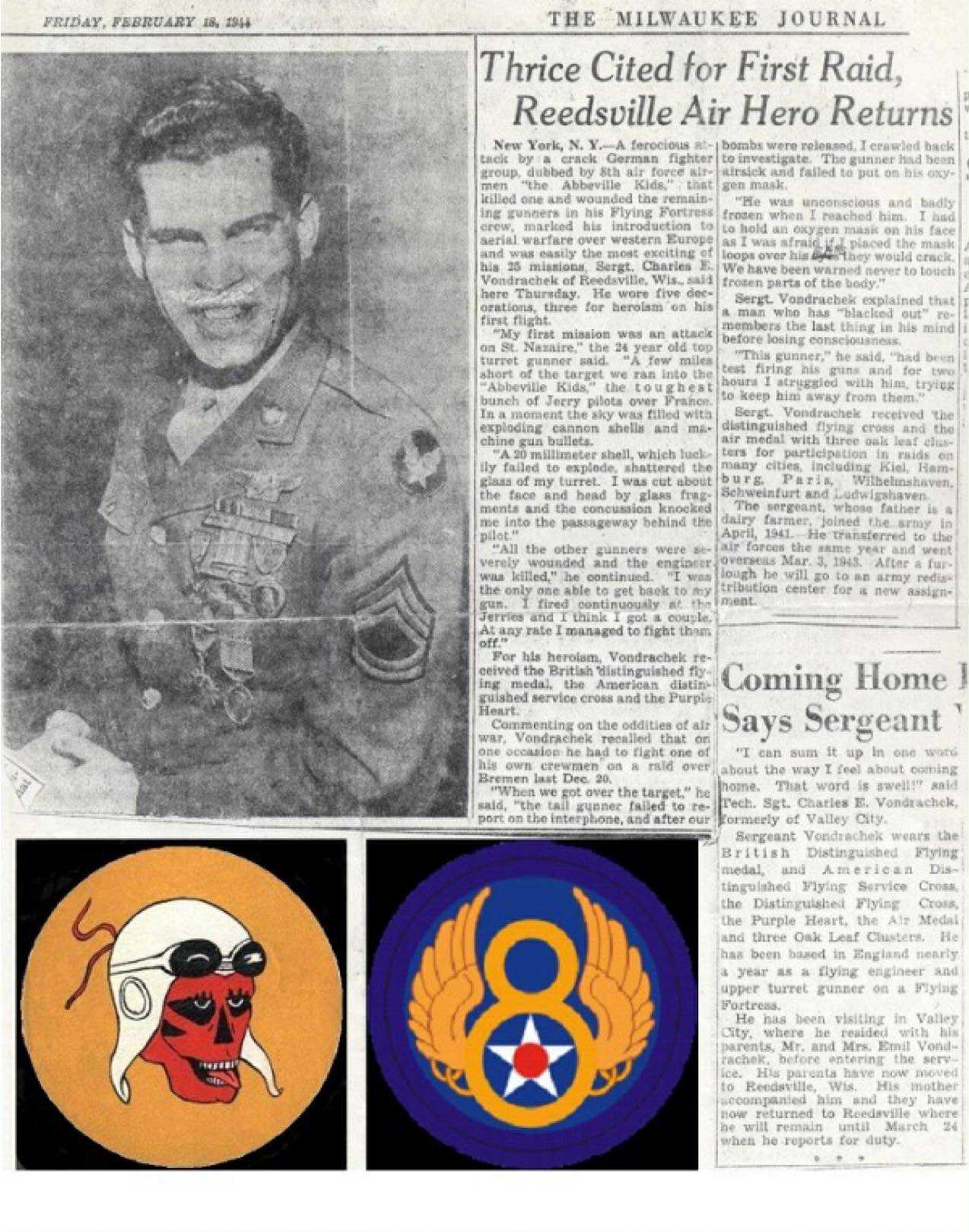
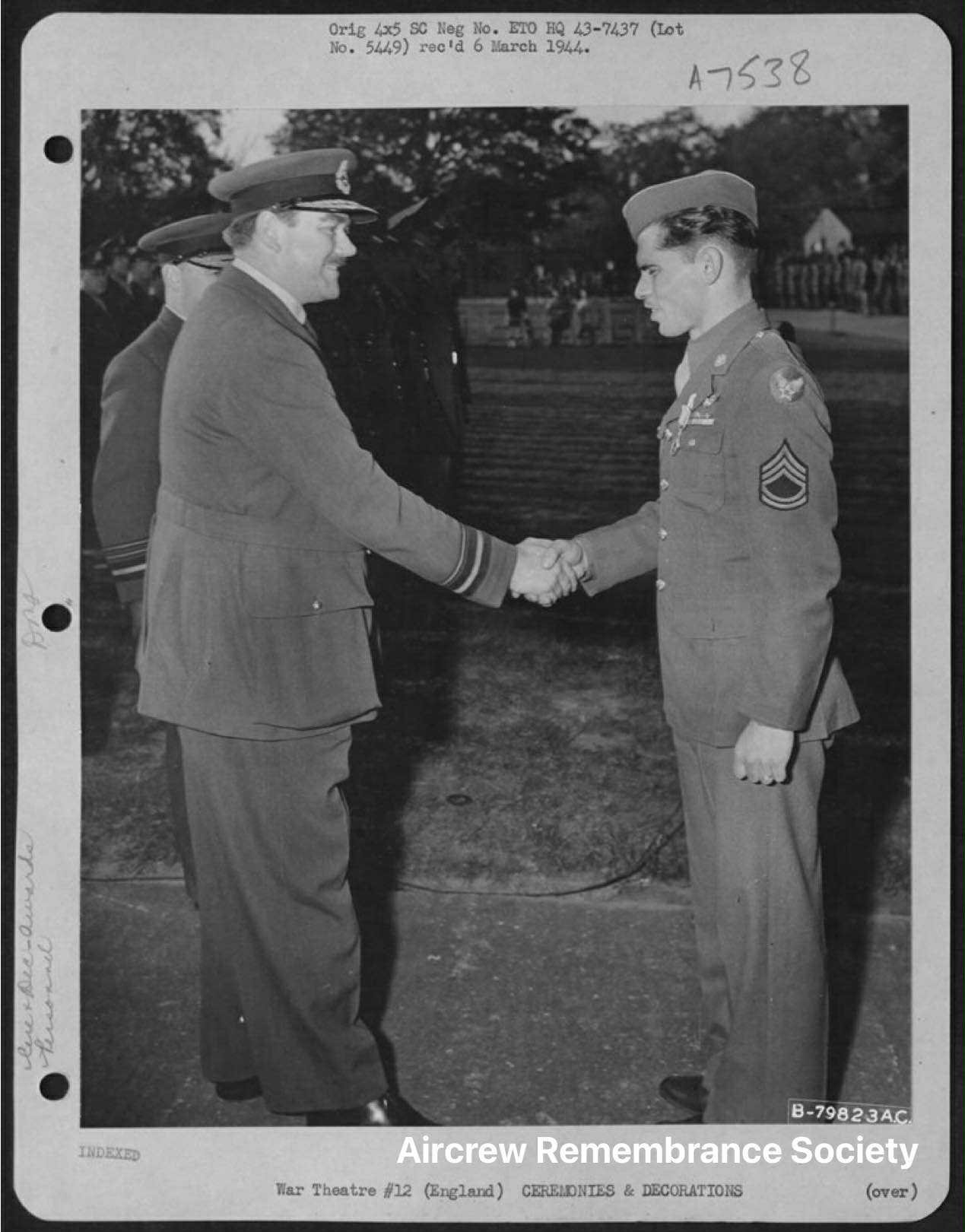
During research contact was made with some of the survivors. The following 5 documents are an account of the crash told by the Engineer/Top Turret unner: T/Sgt. Charles E. Vondrachek, along with other details.
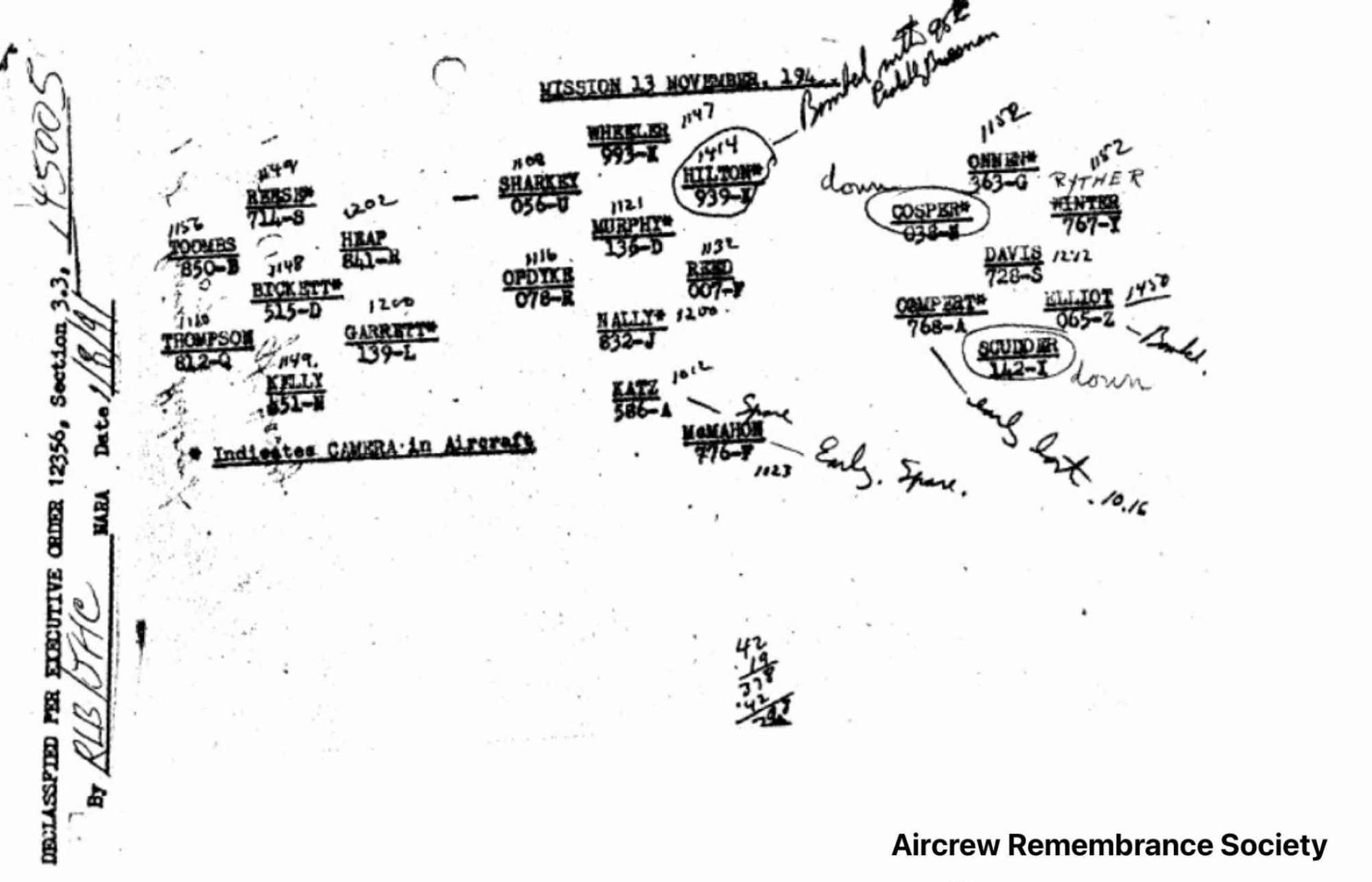
For this mission the 306th Bomb Group had put up twenty one aircraft plus two spares, due to the bad weather the 306th was recalled. Seventeen of the units assigned aircraft along with the two spares returned safely. Along with 2nd Lt Cosper’s aircraft the unit lost a second B-17 42-3142, flown by Lt. Scudder, the aircraft crashed at Great Hazeley with the loss of all ten crew on board. Two other B-17’s of the 306th, did not hear the recall in time and both were advised to join up with other groups. B-17 42-30939 tagged on with the 95th Bomb Group, and 42-31065 with the 388th Bomb Group.
306th Bomb Group Mission Report for the 13th November 1943.
Burial details:
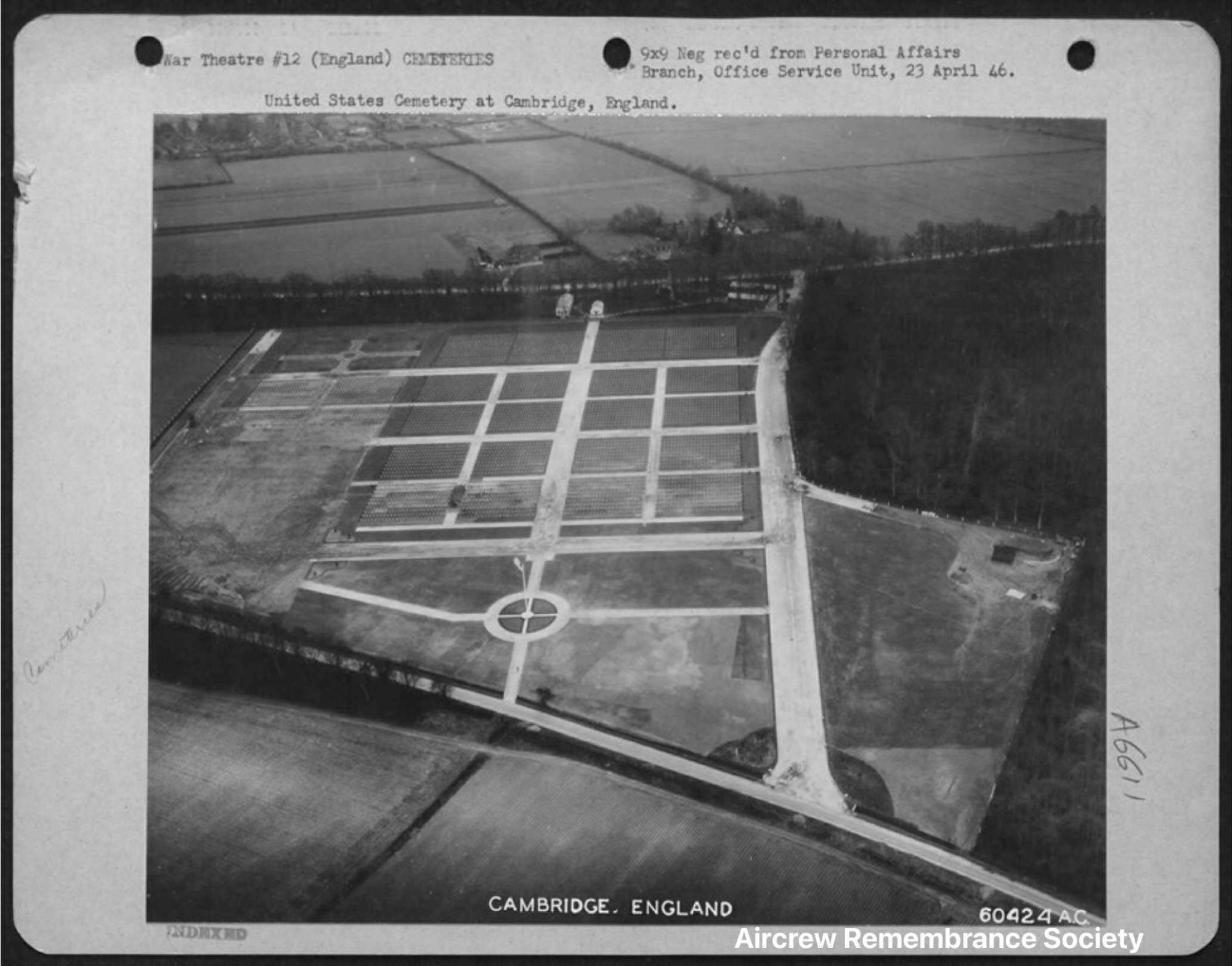
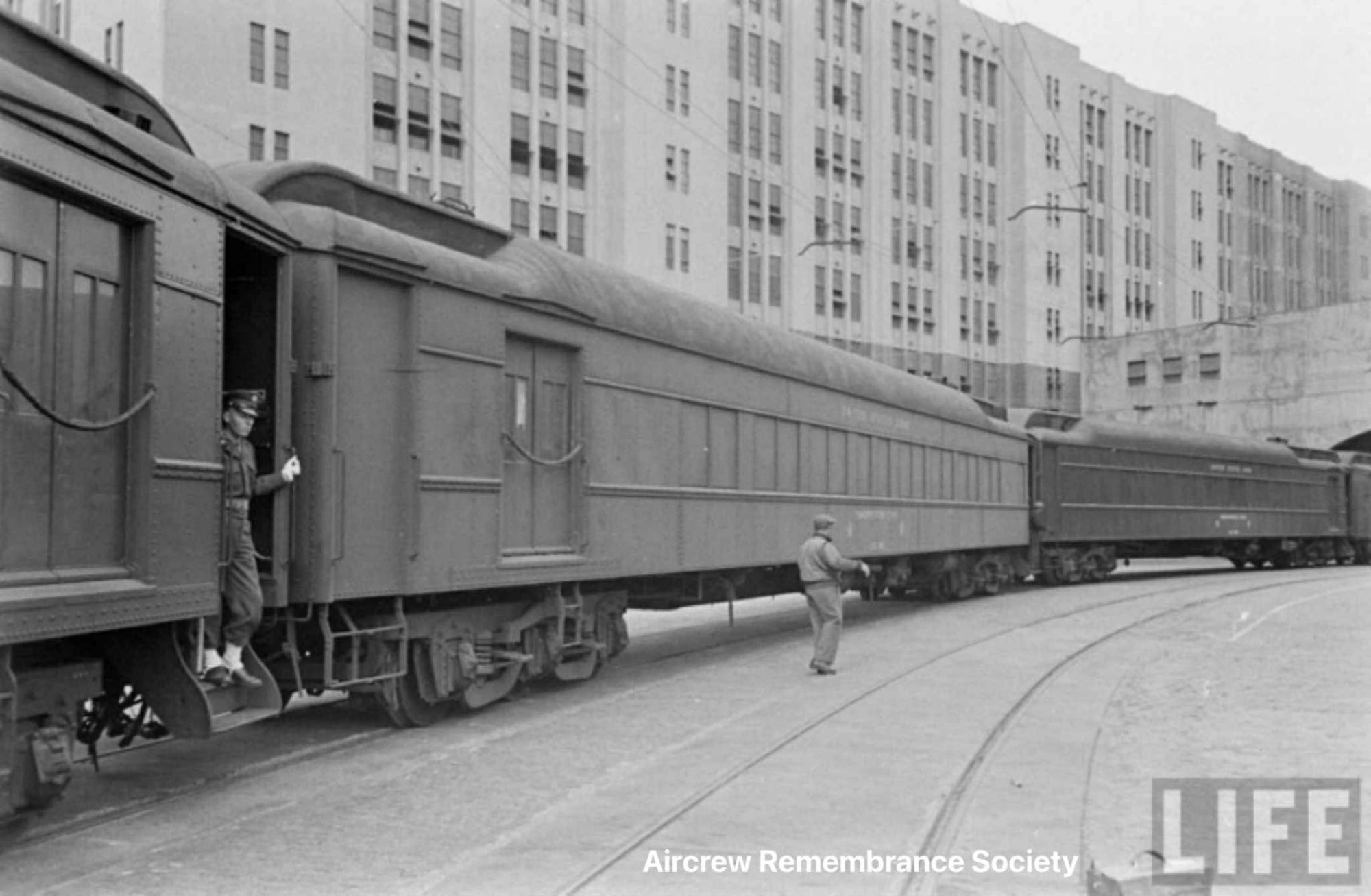
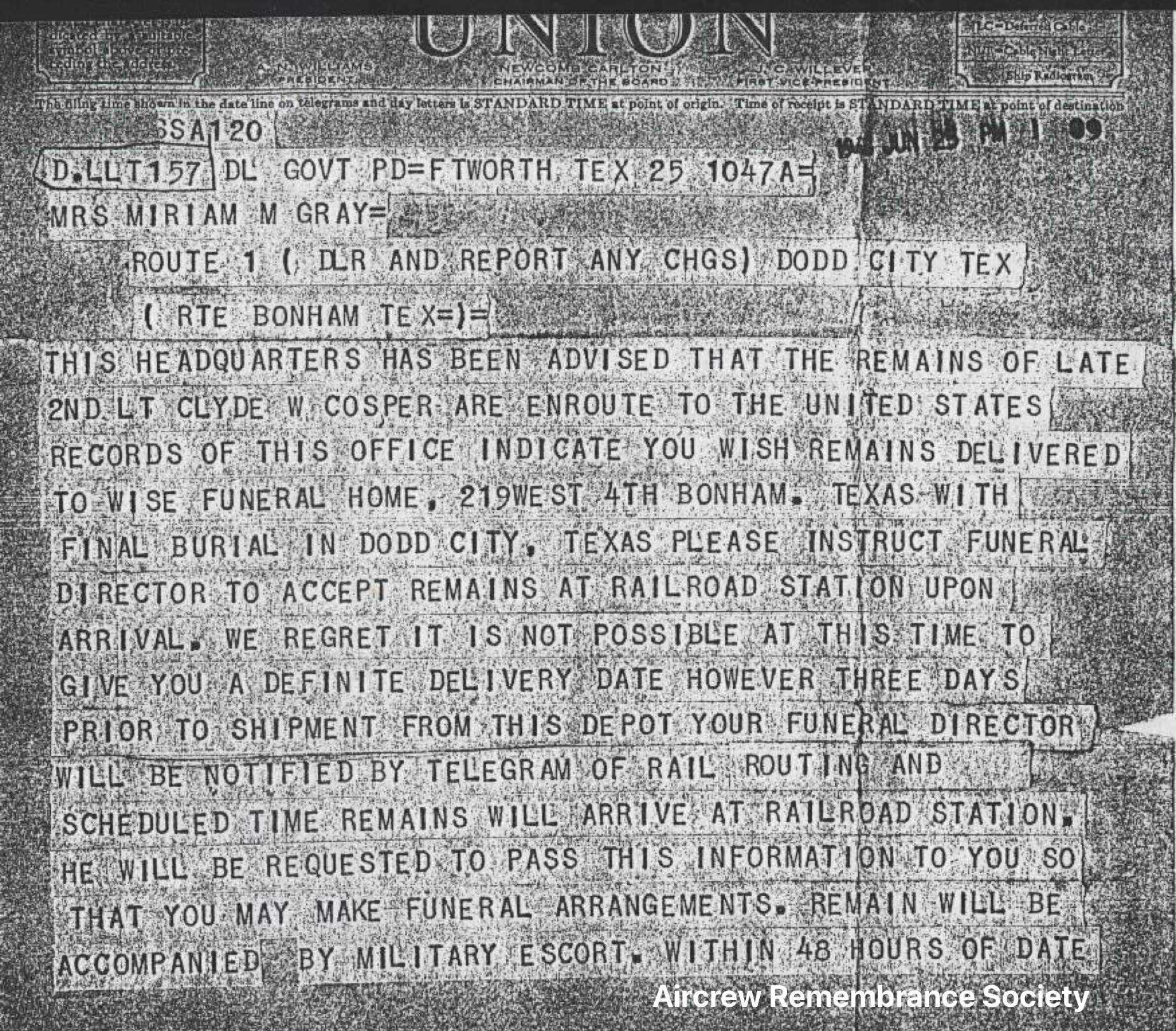
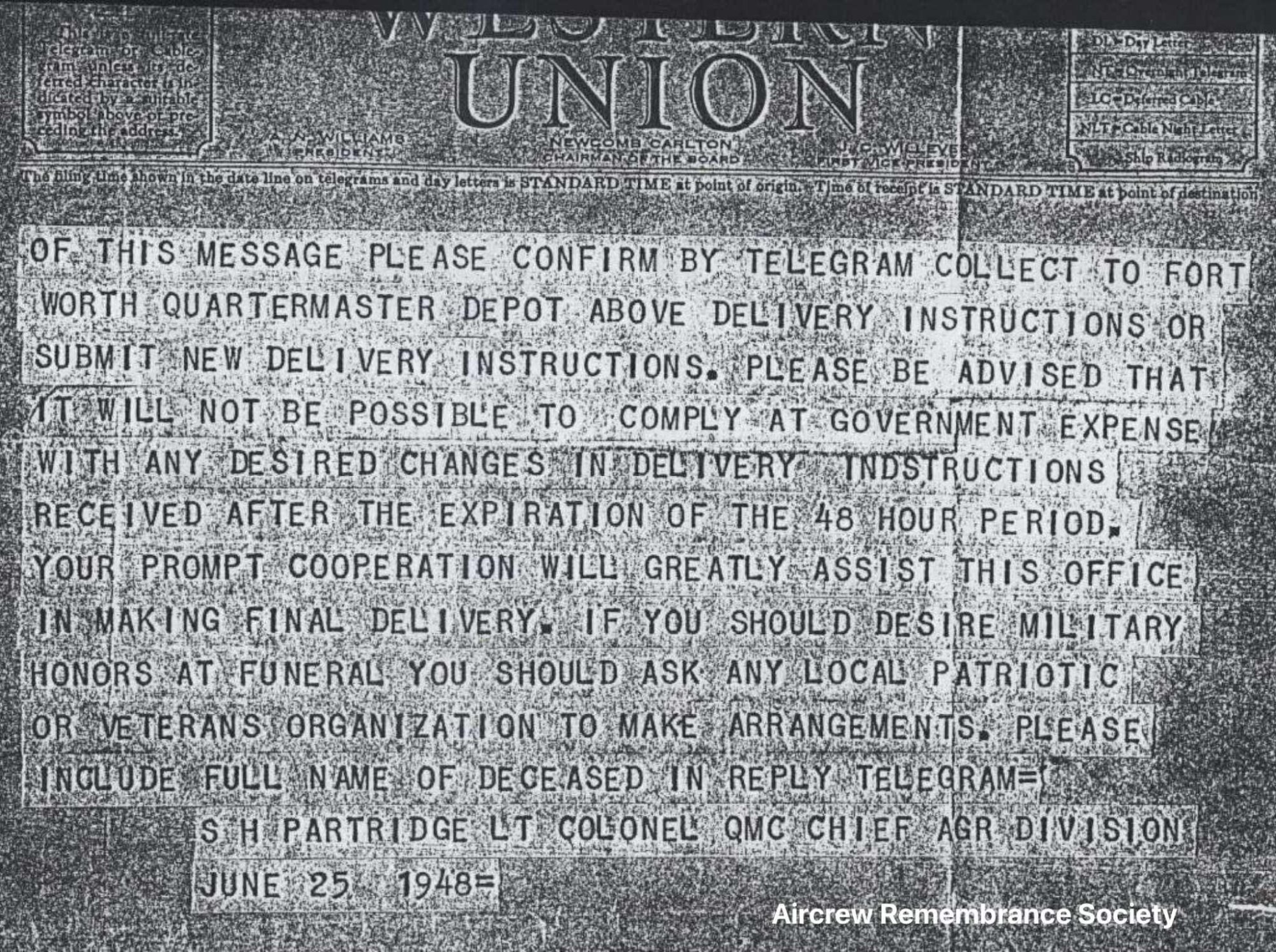
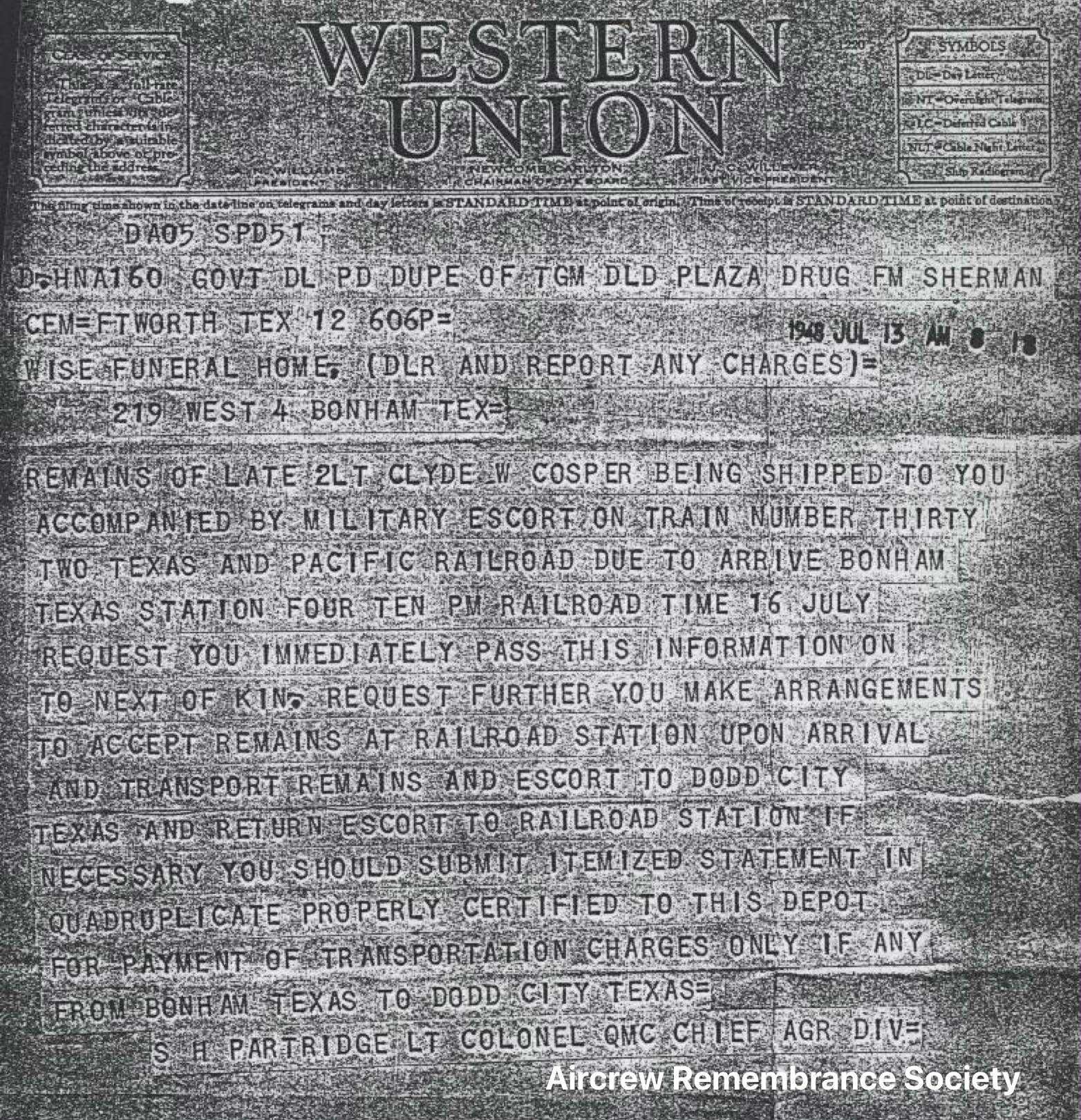
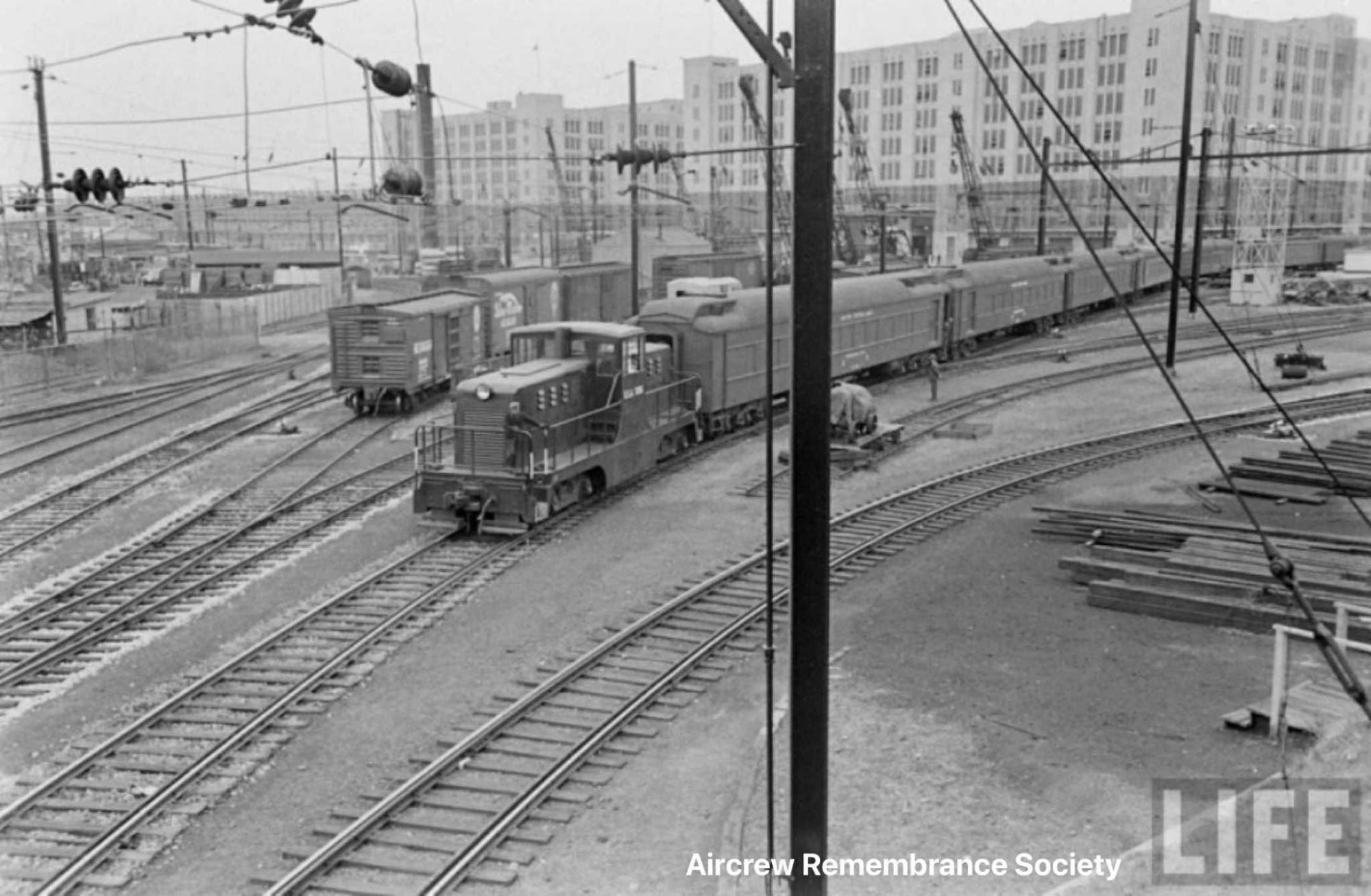
2nd Lt. Cosper was first buried at the Cambridge American Cemetery in 1943. Following the end of World War II, approximately 56% of families in the U.S.A. requested the remains of their loved ones to be returned to the United States for reburial in either a National Cemetery or a private cemetery. In 1946, Congress passed legislation authorizing the disinterment of and the shipment of those servicemen's remains back to the United States. The task was assigned to the United States Army Quartermaster General and the staff of the Graves Registration Units did a remarkable job.
Full Remembrance page researched and constructed by David King. Other credits, Booker Aircraft Museum, Clyde Cosper family, The Bucks Herald, Life Magazine, 306th Bomb Group Association, Gordon and Connie Richards, Roger Freeman and M.R.Brownless.
Page recompiled by Alexander King, Researched by David King. (Updated 2026).